Tag Archives: History

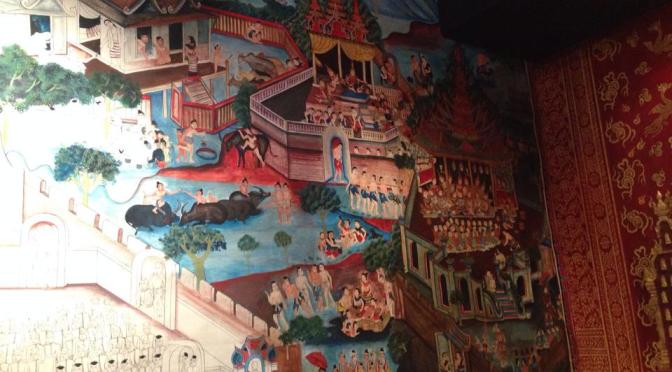
Lanna Folklife Museum in Chiang Mai

The powerful and prosperous ancient Kingdom of Lanna covered most of northern Thailand as well as parts of eastern Burma, western Laos, and across neighboring parts of southern China from the 13th to 18th centuries. Chiang Mai was the capital of the kingdom and at the heart of its culture.

Lanna is distinct from other provinces of Thailand in language, cuisine, art, architecture, and music. Although, Chiang Mai was eventually incorporated by the Thai Government and became a province in 1933, the distinctive Lanna culture still endures today.

The Lanna Folklife Museum is focused on educating both Thais and tourists about Northern Thailand’s distinctive culture and history. Continue reading Lanna Folklife Museum in Chiang Mai
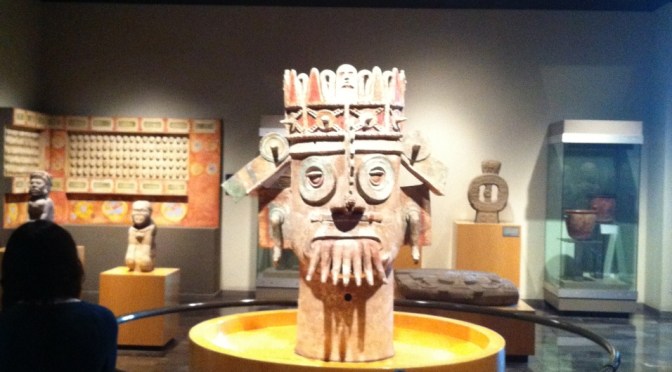
National Museum of Anthropology, Mexico City

The National Museum of Anthropology (Museo Nacional de Antropologia) in Mexico City is widely considered one of the world’s best and most important museums. The extensive museum contains the world’s largest collections of prehispanic archaeological and anthropological artifacts from Mexican and Mesoamerican civilizations. Continue reading National Museum of Anthropology, Mexico City

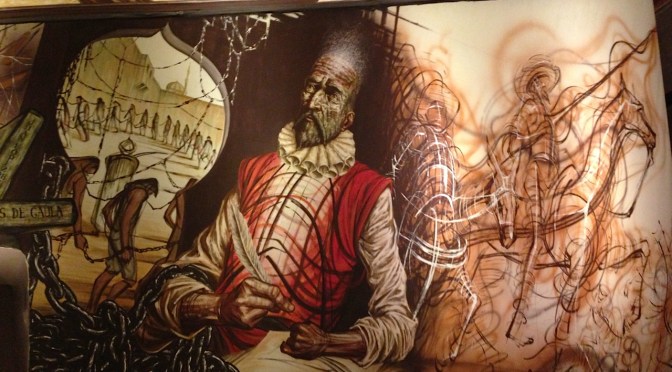
Visiting Don Quixote in Mexico

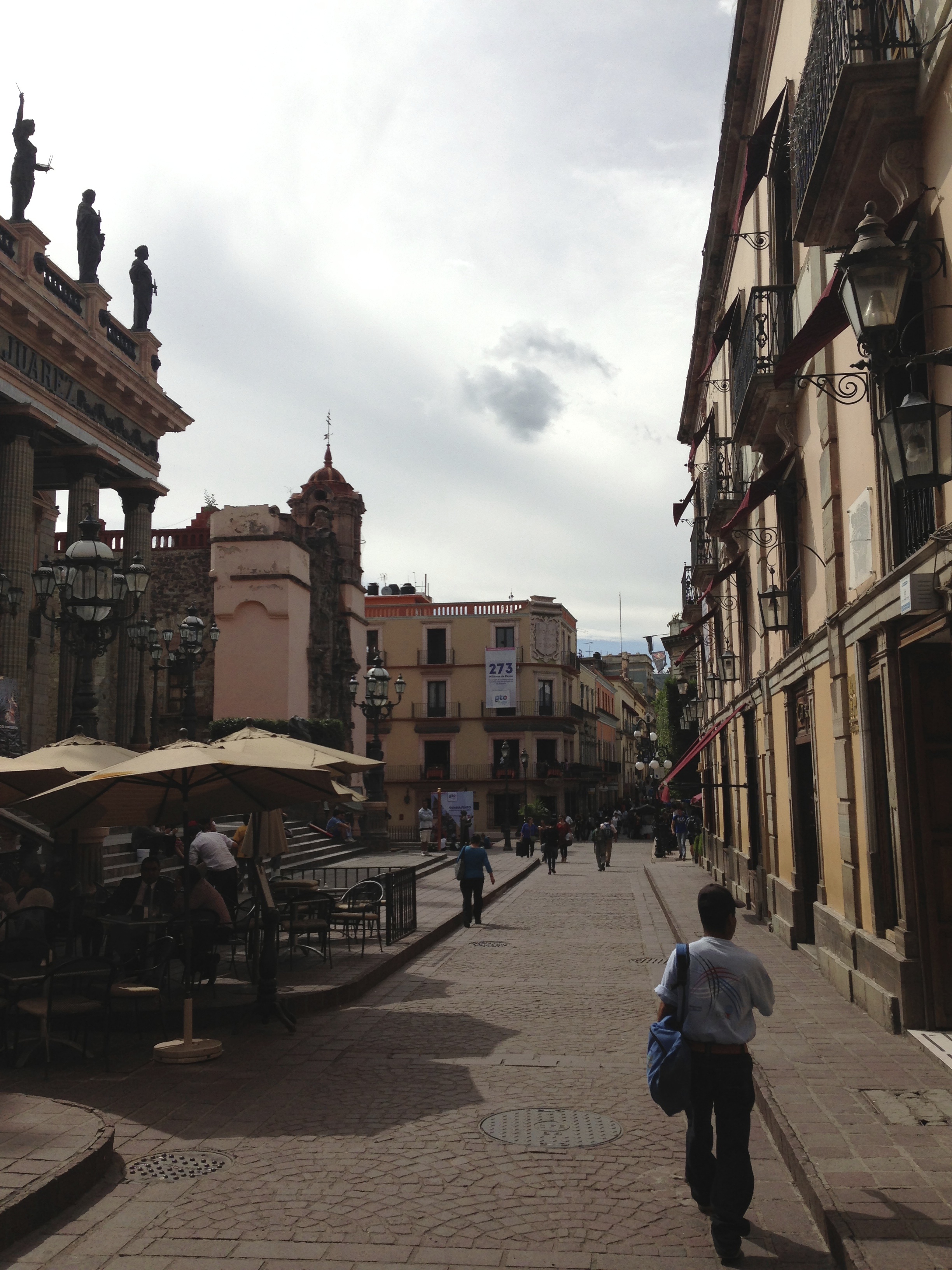
The city of Guanajuato (gwah-nah-HWAH-toh) is a cobblestoned colonial gem in the mountains of central Mexico. This UNESCO World Heritage Site is a charming and picturesque city with a distinctive European flavor.IMG_1366

The Spanish found abundant deposits of silver here in the 1540s and for over 250 years, Guanajuato was the source for one third of the world’s silver supply. Evidence of the city’s enormous wealth can be witnessed in the beautiful architecture, museums, theaters, and dozens of shady plazas dotted with sidewalk cafés. Continue reading Visiting Don Quixote in Mexico

Pompeii: An Intimate Walk Through History

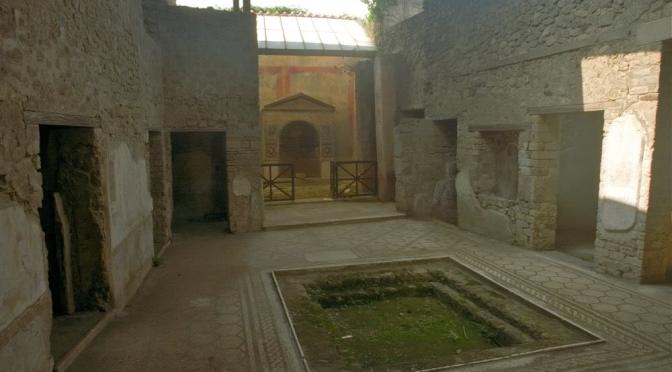
We visited Pompeii for the first time about a decade ago and to this day it remains one of the most surreal and awe-inspiring travel experiences that I’ve ever had. It felt like a waking dream to wander freely though a town that was inhabited nearly 2000 years before. As I entered the homes and businesses of people long dead and saw the remains of their daily lives frozen in time, I felt oddly connected to them and thankful to be immersed in the experience. Pompeii is a precious window into the past and a remarkably preserved one at that.8124454_PompeiiFresco6

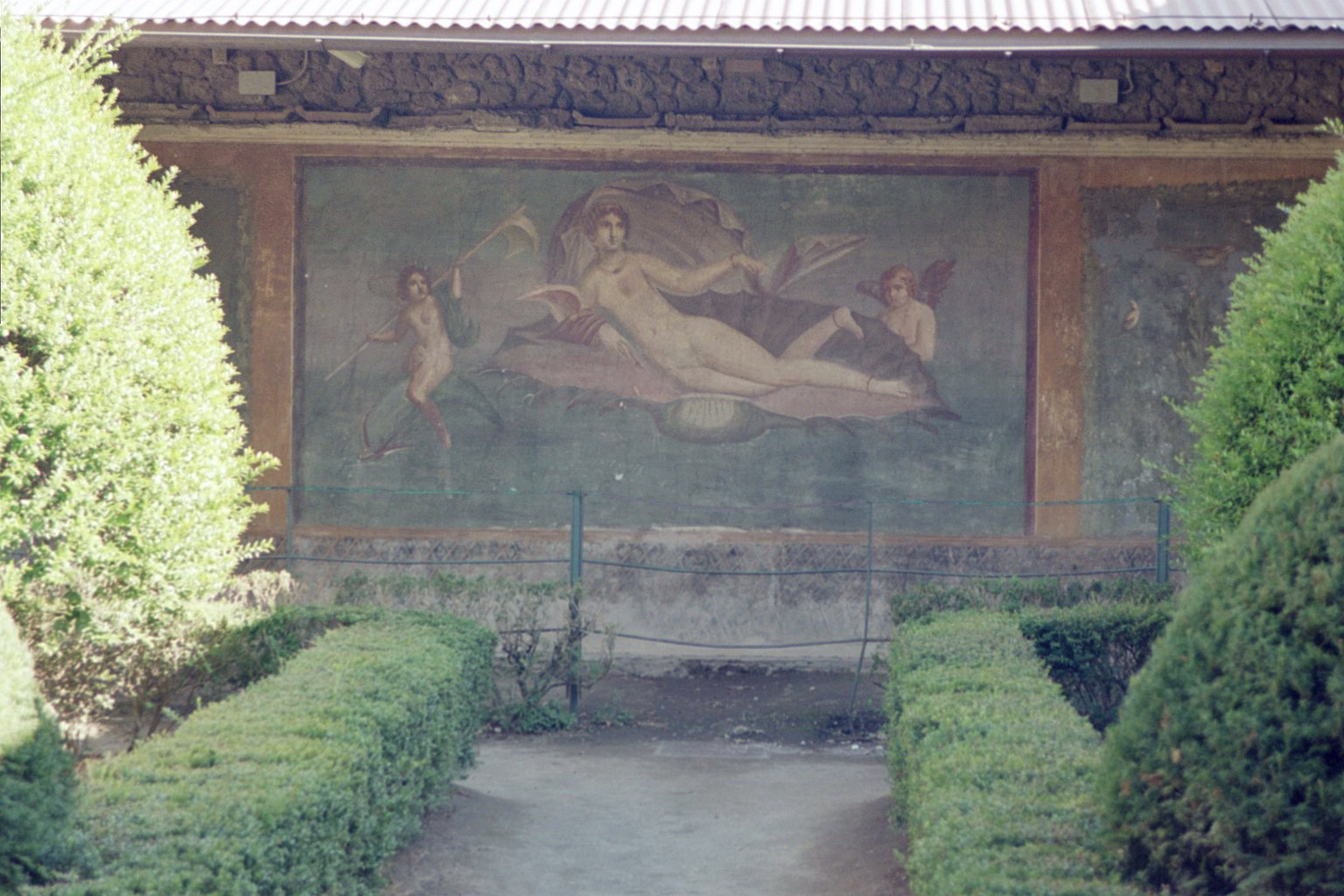
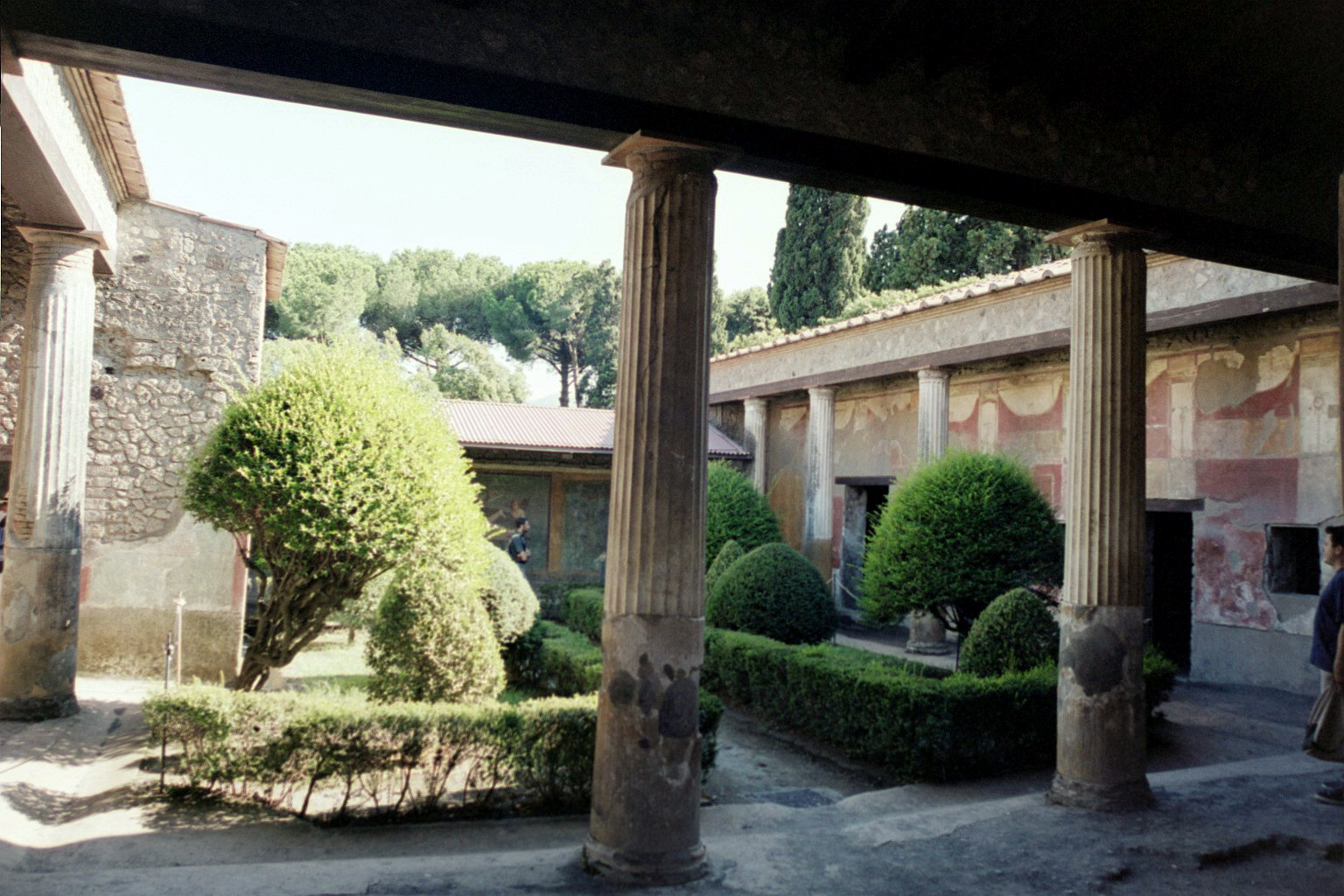
When Pompeii was destroyed by a volcano in August of 79 A.D., it was a resort town inhabited by wealthy Romans who were known for lavish spending on their homes. The evidence of this decadence can still be seen. As you explore the town you will happen upon colorful frescos, fountains, mosaic floors, courtyard gardens, and even indoor plumbing. 8124447_PompeiiGarden4

You can visit Pompeii’s restaurants, bakeries, public baths, amphitheater, and even brothels. There is still graffiti writing on the walls. It’s both fascinating and a bit unsettling to be granted such an intimate view of the city and it’s inhabitants.

The Afterlife and Human Sacrifice

I came across a brief article today on the Past Horizons website noting that archaeologists at the site of Tehuacan in Puebla, Mexico believe they’ve identified a mid-fourteenth century shrine to the Aztec god Mictlantecuhtli (pron. Mict-lan-te-cuht-li) or ‘Lord of the Land of the Dead’.

Just last night I wrote a post about hosting my first Dia de los Muertos celebration, so I’d already been thinking about Mexico’s deeply rooted views that life and death are fundamentally interconnected. Continue reading The Afterlife and Human Sacrifice